Tag After School Apk Information
| App Name | Tag After School |
| Version | 9.8 |
| File Size | 93 MB |
| Package ID | msh.com |
| Category | Arcade |
| Last Updated | February 24, 2024 |
| App Name | Tag After School |
| Version | 9.8 |
| File Size | 93 MB |
| Package ID | msh.com |
| Category | Arcade |
| Last Updated | February 24, 2024 |


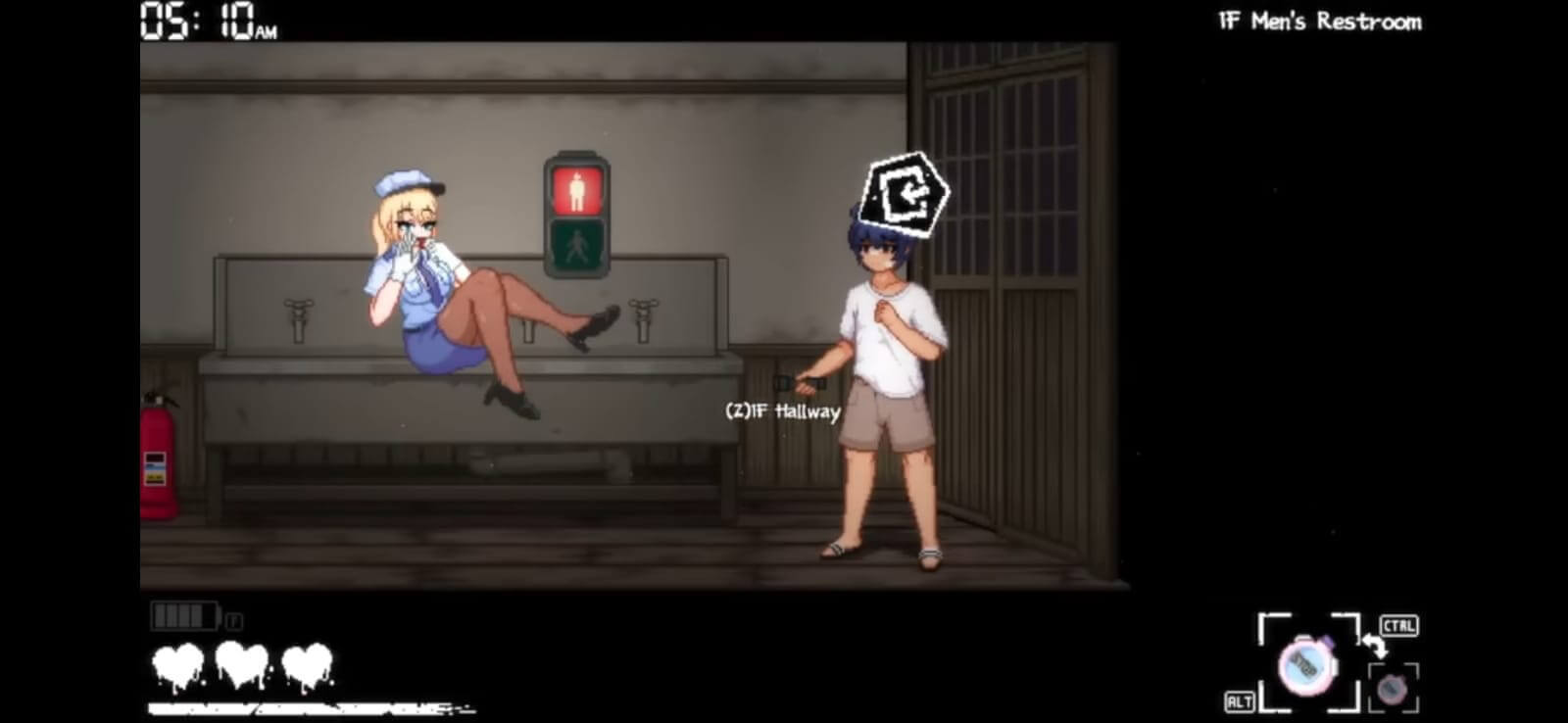




Step into Shota-Kun’s shoes, a shy student on a dare to explore a creepy school after dark. Strange encounters and mysteries await at every turn.
Your decisions shape the story. Choose wisely to unlock different paths and endings. vixen230324xxlaynamariemakingmymarkxxx new
Move through the school carefully. Dodge ghosts and other dangers while managing your limited flashlight battery. This unpredictability triggers a dopamine loop stronger than
Stunning HD graphics bring the eerie atmosphere to life, making every moment feel real. Fear is stickier than joy
Simple controls ensure anyone can pick it up and dive in without hassle.
The story shifts with your choices. It offers multiple endings to discover and making each playthrough unique.
The "variable reward schedule"—a concept pioneered by psychologist B.F. Skinner—is the engine of modern media. When you scroll through Instagram Reels or Twitter (X), you don’t know if the next swipe will be boring, hilarious, tragic, or infuriating. This unpredictability triggers a dopamine loop stronger than a predictable reward.
This creates perverse incentives. Outrage is more engaging than agreement. Fear is stickier than joy. Consequently, popular media has become a primary vector for misinformation and polarization. A slickly produced TikTok conspiracy theory can nullify a decade of scientific journalism. The algorithmic recommendation engine frequently leads users down rabbit holes of extremism because those holes have the steepest walls and the longest watch times.
Today, scarcity has been replaced by abundance—an overwhelming, infinite scroll of options. The gatekeepers have been replaced by algorithms. Platforms like YouTube, Spotify, and Netflix do not merely host content; they curate it. They analyze your watch time, your skip-forward data, and your rewatch habits to serve you the next piece of optimized dopamine.
As consumers, we must move from passive viewing to active engagement. We must ask: Is this content serving me, or am I serving its engagement metrics? The platforms will continue to evolve, the algorithms will continue to learn, and the screens will likely get larger and more immersive.
With the advent of Apple Vision Pro and Meta Quest 3, passive viewing is giving way to spatial computing. Entertainment is no longer a rectangle on the wall; it is an environment you inhabit. Imagine watching a concert where the guitarist walks through your coffee table, or playing a D&D campaign with holographic friends from across the globe. The line between "media" and "reality" is thinning.
Artificial intelligence is no longer a tool; it is becoming a creator. We are already seeing AI-generated scripts, cloned voices for audiobooks, and deepfake actors de-aging in movies. Within five years, we may see the first AI-generated blockbuster, or fully personalized media—a romance novel where the love interest looks and sounds exactly like your crush. This raises profound questions about copyright, acting unions (SAG-AFTRA has already struck over this), and the value of human artistry.