-
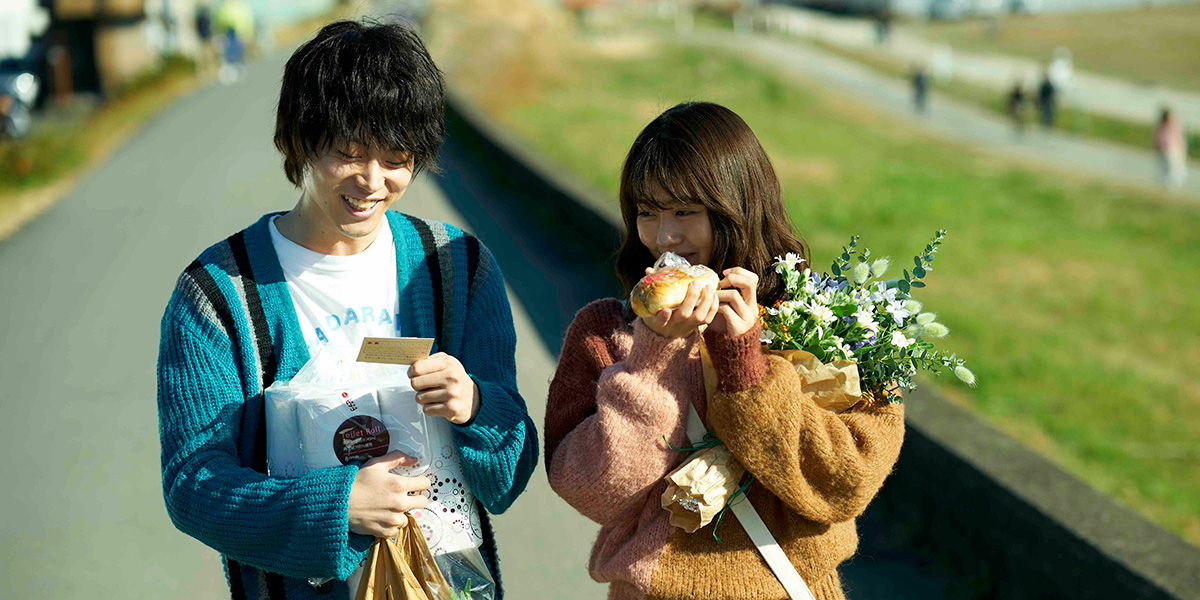
© 2021 "We Made a Beautiful Bouquet" Film Partners -
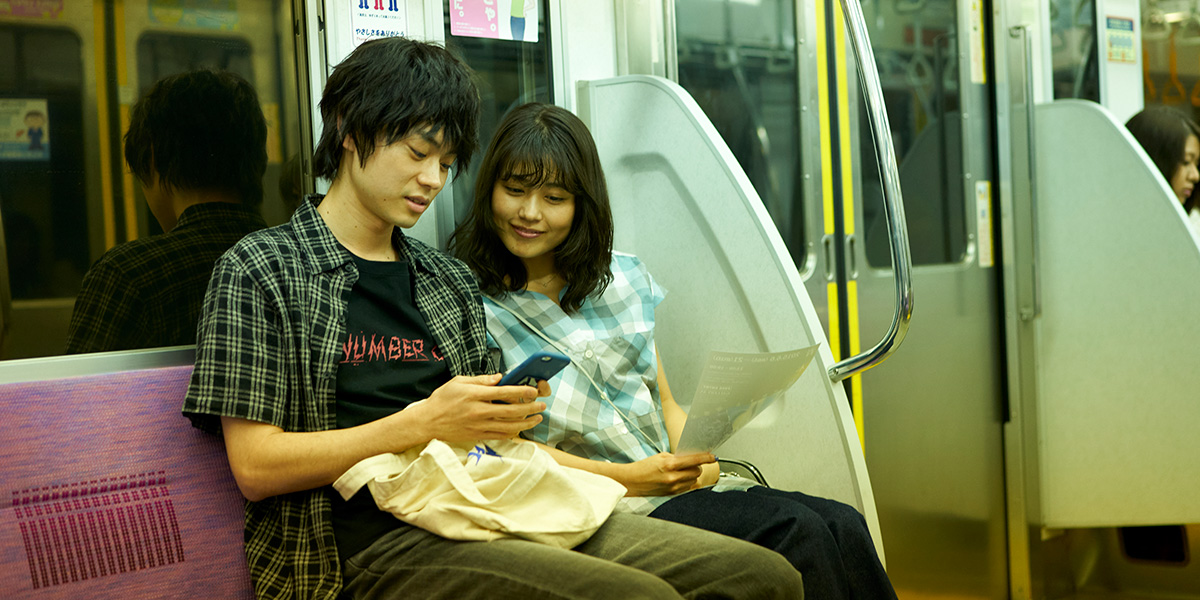
© 2021 "We Made a Beautiful Bouquet" Film Partners -
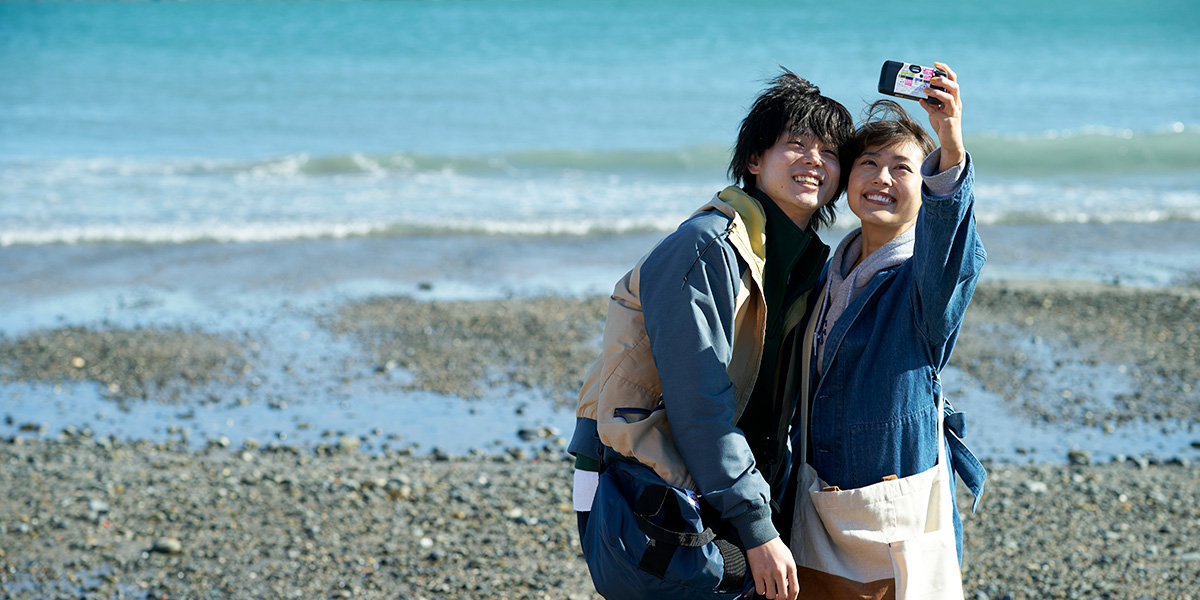
© 2021 "We Made a Beautiful Bouquet" Film Partners
In the West, success is "I made it." In India, success is "We made it." When a son gets a job at Google, the entire village takes credit. When a daughter gets married, the entire street eats laddoos .
To step into an average Indian household is to step into a controlled chaos that somehow, miraculously, finds its rhythm every single day. The concept of ‘family’ in India is not merely a social unit; it is an ecosystem. It is a financial institution, an emotional anchor, a small-scale democracy (often a benevolent dictatorship led by the eldest member), and a revolving door of relatives, neighbors, and vendors. vegamoviesnl kavita bhabhi 2020 s01 ullu o hot
Storytime: “Beta, you have eaten only two parathas? Take a third one. No? You will faint in the exam. Take a banana. Take the mango pickle. No, not that one, the one your Nani sent. Have you taken your water bottle? Go, or you’ll miss the bus. Wait—come back. Tilak (vermillion mark) for good luck.” In the West, success is "I made it
And somewhere in the house, a grandmother tells a grandchild a story from the Ramayana or a folk tale about a clever jackal. The old stories sustain the new ones. What makes Indian family lifestyle distinct from the rest of the world? It is not the food or the clothes. It is the grammar of "We." The concept of ‘family’ in India is not
Even in nuclear setups, lunch is rarely eaten alone. In traditional joint families, the kitchen is the throne room. The Dadi (paternal grandmother) sits on a low stool, supervising the cook. The rule is ironclad: “No one eats until everyone is served.” This extends to the domestic help, the driver, and the stray cat that knows to arrive at 1:15 PM.
Daily life stories from Indian families are incomplete without the "bathroom logistics." In a home with one bathroom for four generations, mornings are a choreography of efficiency. Grandfather takes the first slot, followed by the school-going children, while the mother packs lunchboxes.
The Japanese Film Festival Australia is brought to you by The Japan Foundation, Sydney.

© 2026 Japanese Film Festival