Shemale Youporn Style May 2026

The annual Pride parade is the most visible expression of LGBTQ culture. In recent years, a schism has emerged: corporate-sponsored, sanitized Pride marches (featuring police floats and bank booths) versus the radical, reclaim-the-streets Trans Pride marches. Many trans activists argue that Pride has lost its revolutionary edge. They point to the exclusion of sex workers, the banning of political signs, and the over-policing of events. In response, Trans Marches have sprung up independently, reminding the world that Pride was a riot, not a festival. The Rise of "Trans Exclusionary" Factions No honest article about the transgender community and LGBTQ culture can ignore the painful reality of transphobia within the queer community. The "LGB without the T" movement, though small, is vocal.

When you support a trans child using their chosen name, you are upholding the same dignity that allows a lesbian to marry her wife. When you fight for a trans woman to use the bathroom in peace, you are fighting for the same safety that allows a gay man to walk down the street holding his partner’s hand. When you listen to trans elders, you are hearing the echoes of Stonewall. shemale youporn style

If you want to see the purest distillation of trans and LGB unity, look at Ballroom culture. Originating in Harlem in the 1960s, ballroom provided a sanctuary for Black and Latinx queer and trans youth who were rejected by their biological families. Houses (like House of LaBeija or House of Ninja) became chosen families. The categories—from "Butch Queen Realness" to "Transsexual Runway"—are a direct celebration of gender expression as an art form. Mainstream culture only discovered this world via Pose and Legendary , but ballroom has always been the heartbeat of trans-inclusive queer culture. The annual Pride parade is the most visible

In the decades that followed, however, a rift emerged. As the gay rights movement matured in the 1980s and 1990s, it pivoted toward respectability politics. Organizations like the Human Rights Campaign (HRC) pushed for "mainstream" acceptance—focusing on gay men in the military (Don't Ask, Don't Tell) and same-sex marriage. In this push for assimilation, the transgender community was frequently sidelined. The "T" in LGBTQ was often silent, seen as too radical, too destabilizing to the message that "we are just like you." They point to the exclusion of sex workers,

LGBTQ culture often celebrates "coming out" as a single event. For trans people, coming out is a perpetual, non-linear process. "Passing" (being perceived as one’s true gender) carries complex weight. For some, passing is safety; for others, it is a betrayal of trans visibility. The internal debate within the trans community about stealth living versus visible activism is a rich, complex culture that has no direct analog in mainstream LGB culture. Where Cultures Collide and Converge Despite different struggles, the transgender community and general LGBTQ culture are inextricably woven together. They collide in fascinating ways, often producing friction that ultimately strengthens both groups.
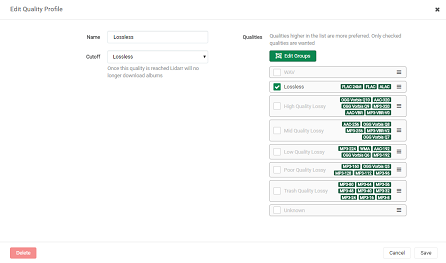
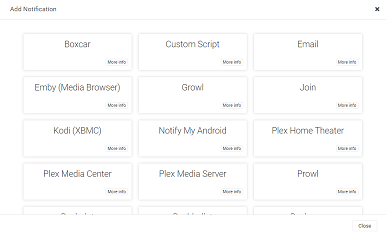
Notifications and fully customizable quality profiles.

shemale youporn style shemale youporn style
shemale youporn style shemale youporn style shemale youporn style

Multiple Movie views.

shemale youporn style shemale youporn style

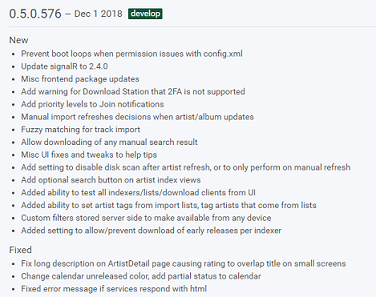
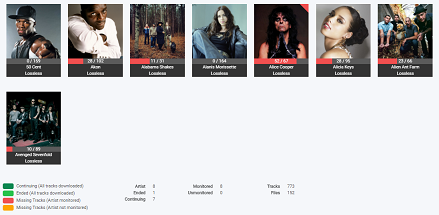
Frequent updates. See what's new without leaving the comfort of the app.

Summary

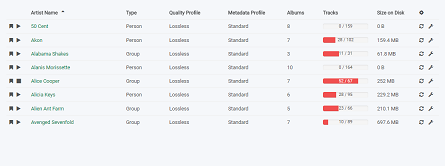
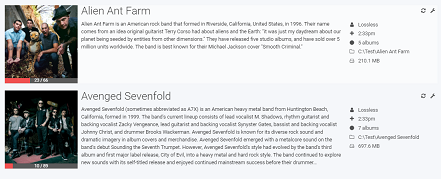
Lidarr is a music collection manager for Usenet and BitTorrent users. It can monitor multiple RSS feeds for new albums from your favorite artists and will interface with clients and indexers to grab, sort, and rename them. It can also be configured to automatically upgrade the quality of existing files in the library when a better quality format becomes available.

Features

shemale youporn style

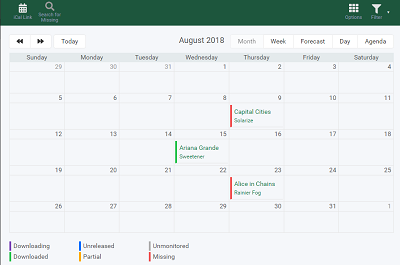
Calendar

See all your upcoming albums in one convenient location.

shemale youporn style

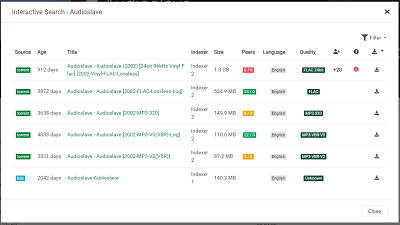
Manual Search

Find all the releases, choose the one you want, and send it right to your download client.

shemale youporn style

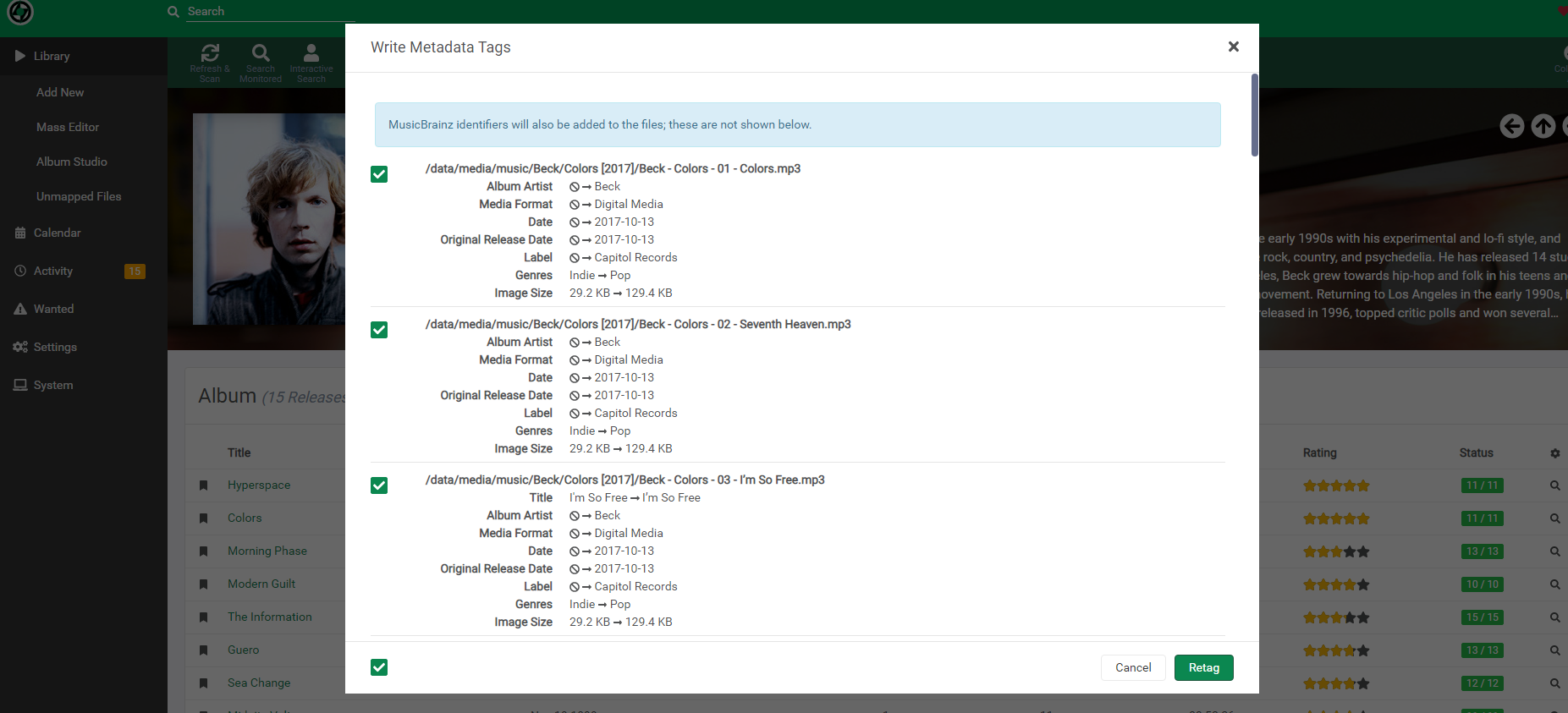
Metadata Writing

Metadata tags a mess? No problem. Lidarr will whip your current library into shape and ensure any new music is tagged correctly and uniformly.

shemale youporn style

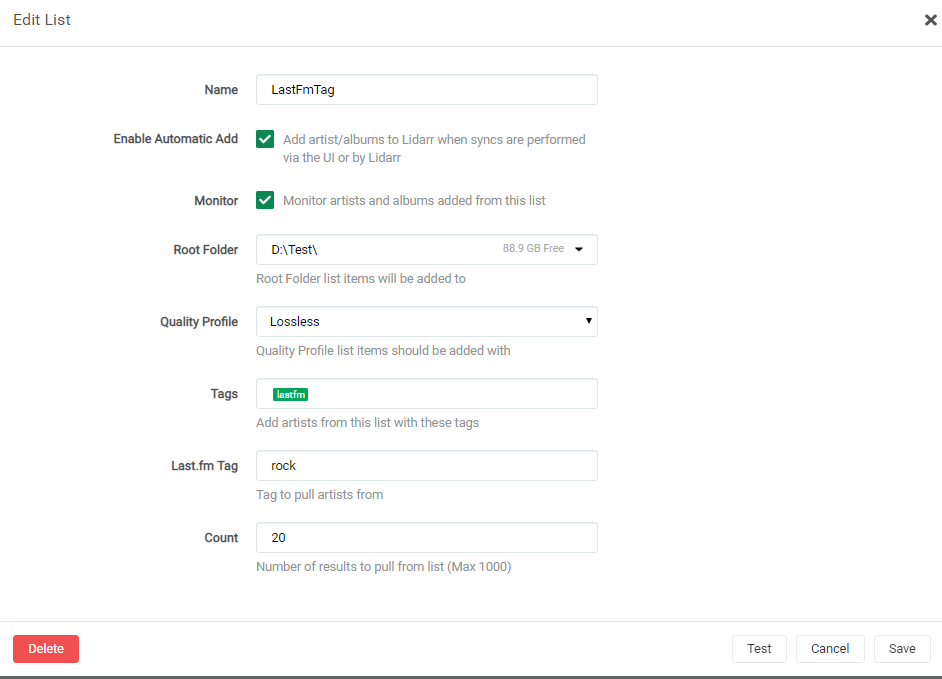
Import Lists

Follow your favorite artists or top 20 albums using import lists. Lists can be used from supported services like Last.FM and Headphones.

The annual Pride parade is the most visible expression of LGBTQ culture. In recent years, a schism has emerged: corporate-sponsored, sanitized Pride marches (featuring police floats and bank booths) versus the radical, reclaim-the-streets Trans Pride marches. Many trans activists argue that Pride has lost its revolutionary edge. They point to the exclusion of sex workers, the banning of political signs, and the over-policing of events. In response, Trans Marches have sprung up independently, reminding the world that Pride was a riot, not a festival. The Rise of "Trans Exclusionary" Factions No honest article about the transgender community and LGBTQ culture can ignore the painful reality of transphobia within the queer community. The "LGB without the T" movement, though small, is vocal.

When you support a trans child using their chosen name, you are upholding the same dignity that allows a lesbian to marry her wife. When you fight for a trans woman to use the bathroom in peace, you are fighting for the same safety that allows a gay man to walk down the street holding his partner’s hand. When you listen to trans elders, you are hearing the echoes of Stonewall.

If you want to see the purest distillation of trans and LGB unity, look at Ballroom culture. Originating in Harlem in the 1960s, ballroom provided a sanctuary for Black and Latinx queer and trans youth who were rejected by their biological families. Houses (like House of LaBeija or House of Ninja) became chosen families. The categories—from "Butch Queen Realness" to "Transsexual Runway"—are a direct celebration of gender expression as an art form. Mainstream culture only discovered this world via Pose and Legendary , but ballroom has always been the heartbeat of trans-inclusive queer culture.

In the decades that followed, however, a rift emerged. As the gay rights movement matured in the 1980s and 1990s, it pivoted toward respectability politics. Organizations like the Human Rights Campaign (HRC) pushed for "mainstream" acceptance—focusing on gay men in the military (Don't Ask, Don't Tell) and same-sex marriage. In this push for assimilation, the transgender community was frequently sidelined. The "T" in LGBTQ was often silent, seen as too radical, too destabilizing to the message that "we are just like you."

LGBTQ culture often celebrates "coming out" as a single event. For trans people, coming out is a perpetual, non-linear process. "Passing" (being perceived as one’s true gender) carries complex weight. For some, passing is safety; for others, it is a betrayal of trans visibility. The internal debate within the trans community about stealth living versus visible activism is a rich, complex culture that has no direct analog in mainstream LGB culture. Where Cultures Collide and Converge Despite different struggles, the transgender community and general LGBTQ culture are inextricably woven together. They collide in fascinating ways, often producing friction that ultimately strengthens both groups.
Support