blankcard.stl for 3D printingOne textbook that has consistently bridged the gap between complex theory and practical application is . For years, students and professionals have sought the "microwave and radar engineering by mkulkarni pdf" for quick reference, portability, and in-depth study. This article explores why this book remains a cornerstone of the curriculum, what you can learn from it, and how to approach its content effectively. Who is M. Kulkarni? The Authority Behind the Text Before diving into the PDF, it is essential to understand the author. M. Kulkarni is widely respected in Indian academic circles for writing concise, exam-oriented yet conceptually clear textbooks. Unlike many international authors who focus heavily on abstract physics, Kulkarni tailors the content to the undergraduate syllabus of universities like AKTU (Lucknow), RGPV (Bhopal), and Pune University.
From understanding how a magnetron generates 2.45 GHz for your kitchen oven to calculating the Doppler shift of an incoming missile, Kulkarni’s work turns abstract Maxwell’s equations into practical engineering knowledge.
Introduction: The Quiet Revolution of Microwaves In the modern world, we are surrounded by invisible waves. From the moment you heat your breakfast in a microwave oven to the second a pilot lands a plane safely in dense fog using radar, microwave engineering is the silent workhorse of technology. For engineering students, particularly those in electronics and communication, mastering this subject is not just about passing exams—it is about understanding the backbone of wireless communication, satellite links, and defense systems.
Kulkarni dedicates a full appendix to the Smith chart. While reading the PDF, practice drawing a Smith chart on paper. Use the digital copy to check your impedance-matching solutions.
Reach us via email if you can help.
Many thanks to our supporters and contributors who have joined us in this pursuit of preserving this segment of digital history:
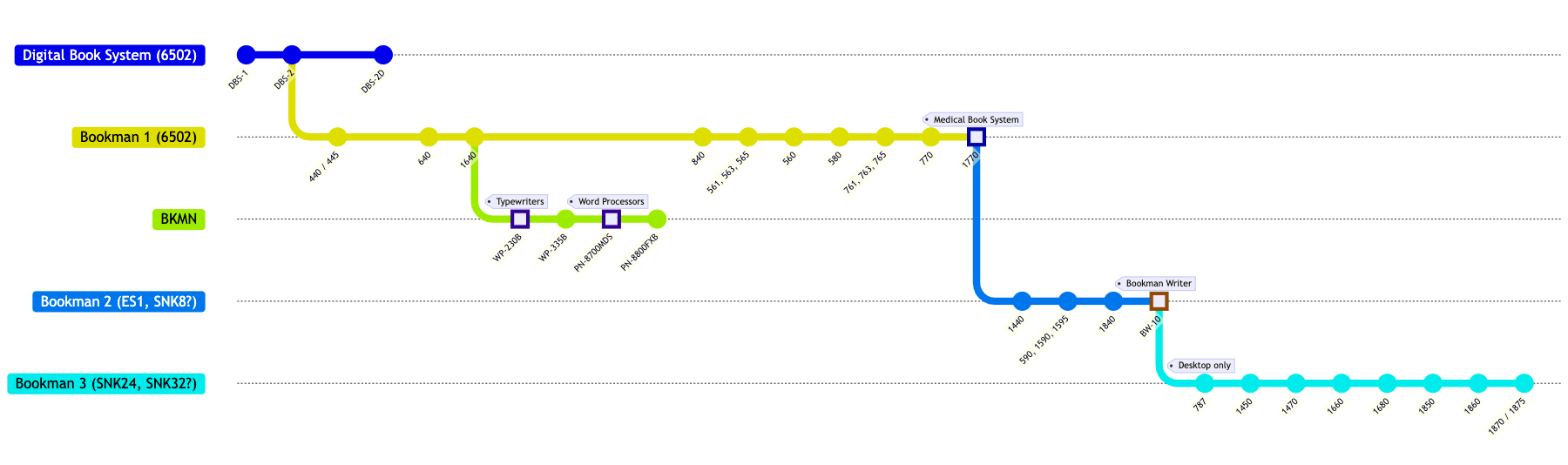
Bookman system compatibility chart coming soon.
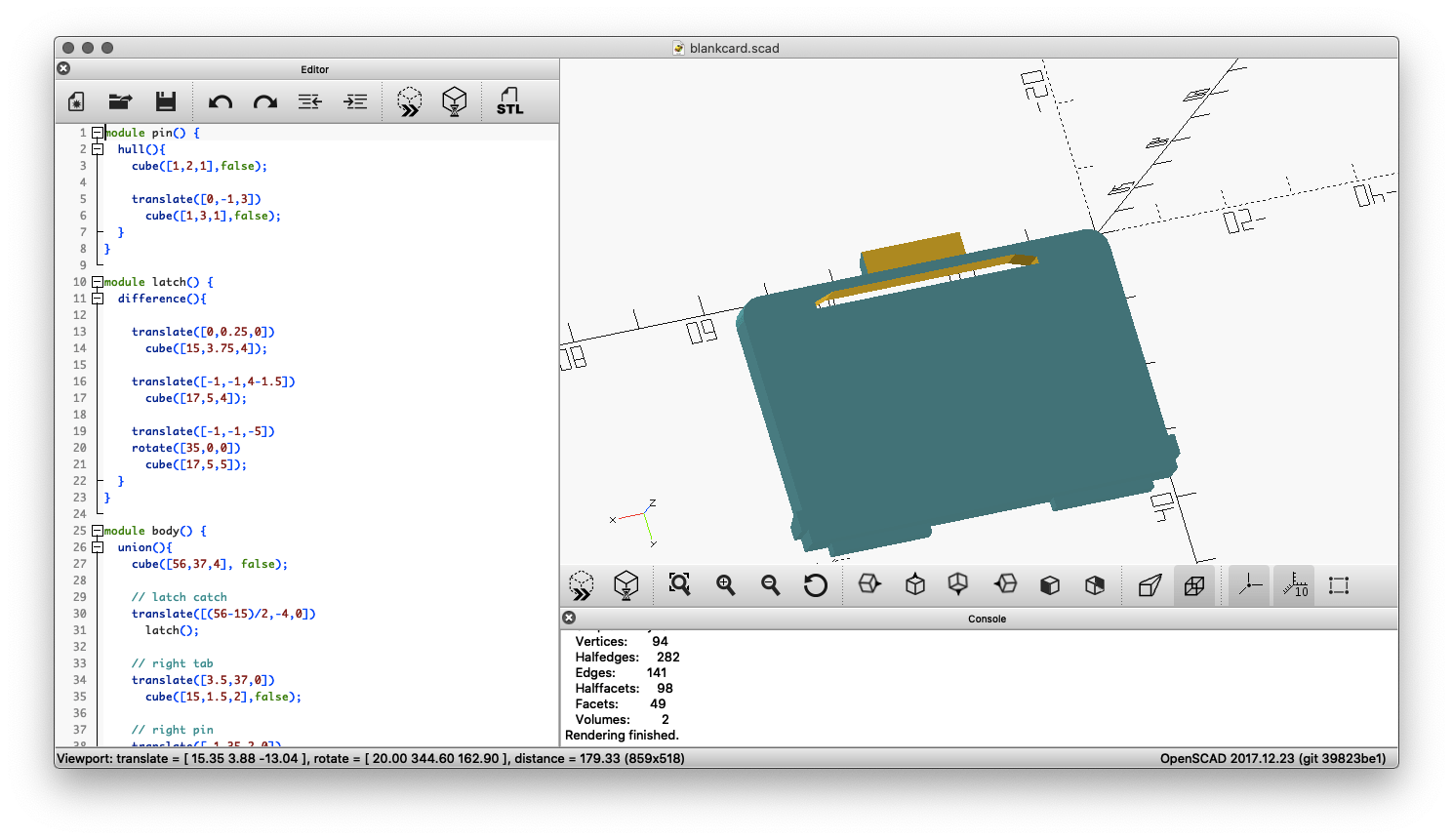
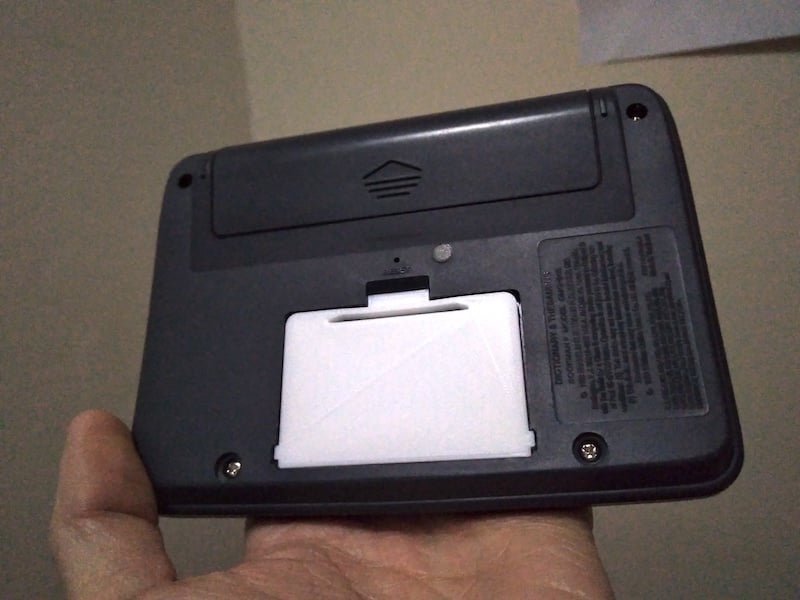
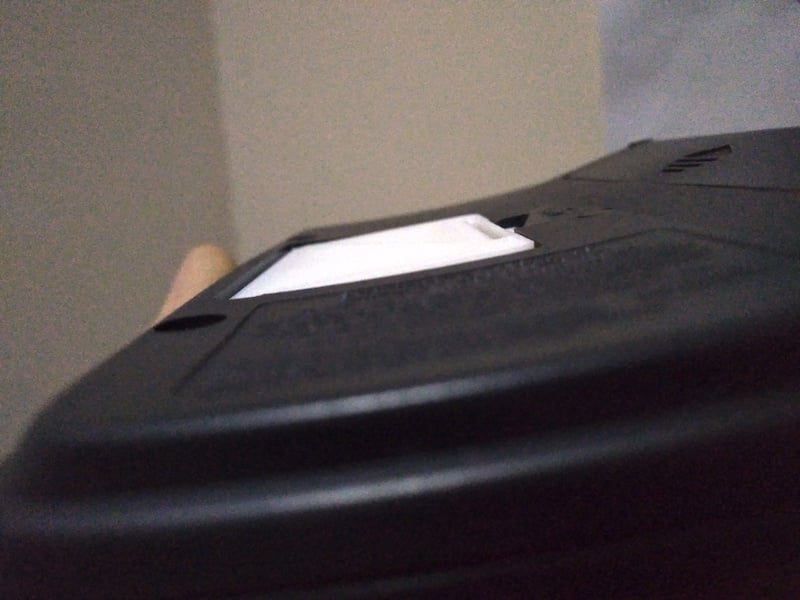
This 3D printable card blank will ensure your Bookman cartridge contact strip stays clean and sits flush with the rest of the device by filling the card slot.
|
|
|
Download blankcard.stl for 3D printing |
||
This tool is used to create replacement labels for Franklin BOOKMAN cartridges that have faded or otherwise deteriorated labelling. The generated labels are downloadable as SVG files and can be printed at 100% scale for a 1:1 reproduction size suitable for application on worn ROM cards.
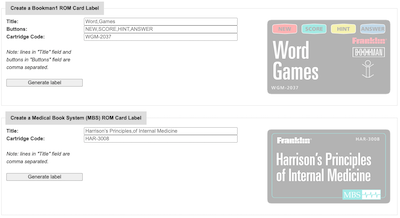
See the source code for this tool here.
You can find scans of various Franklin promotional / catalog leaflets below. Items listed in chronological order.
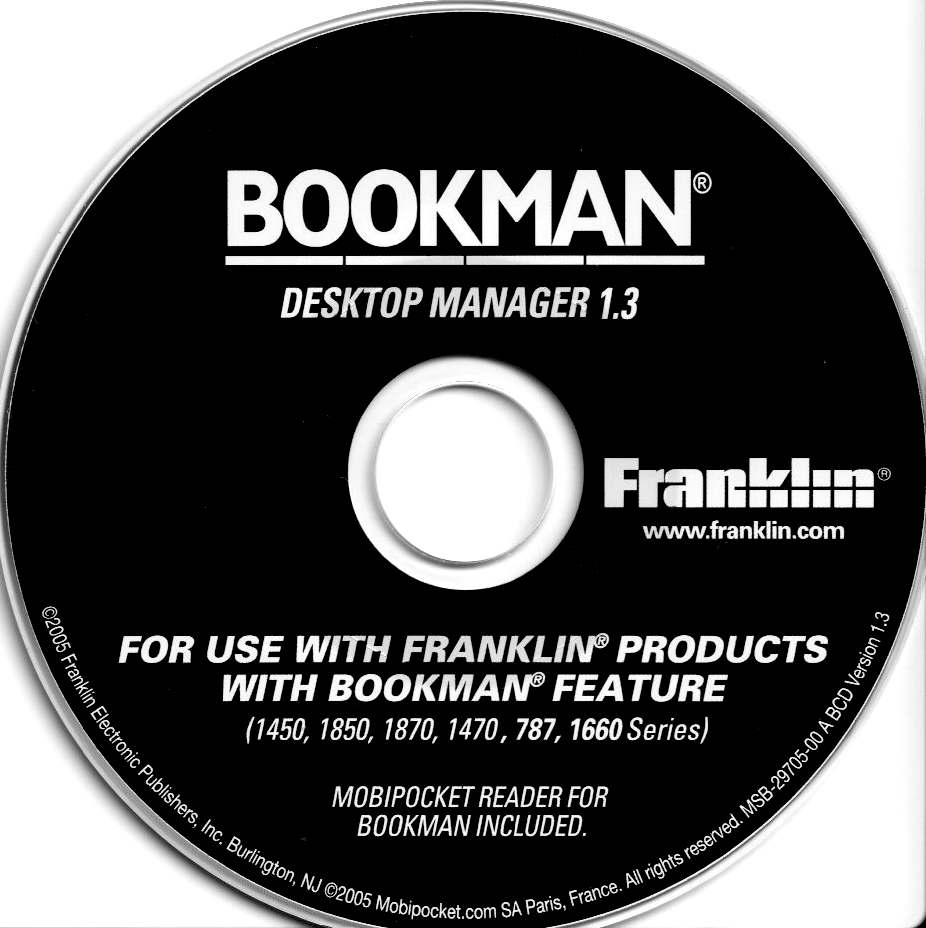
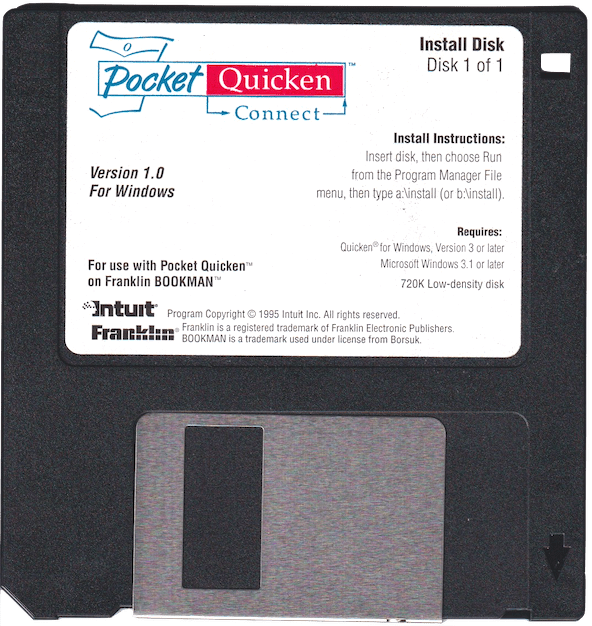
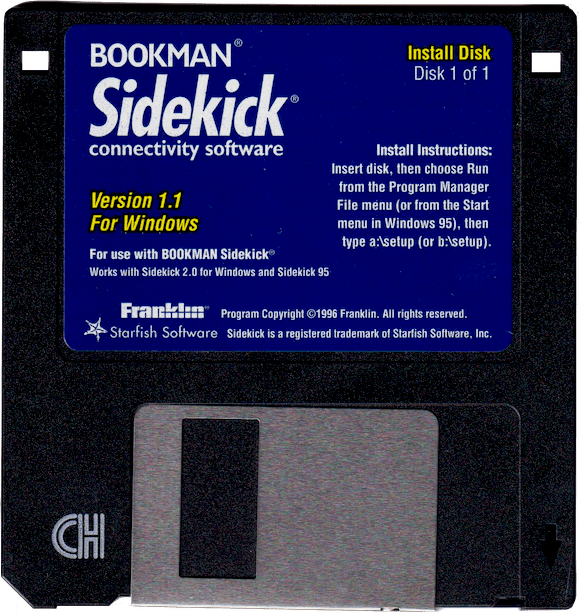
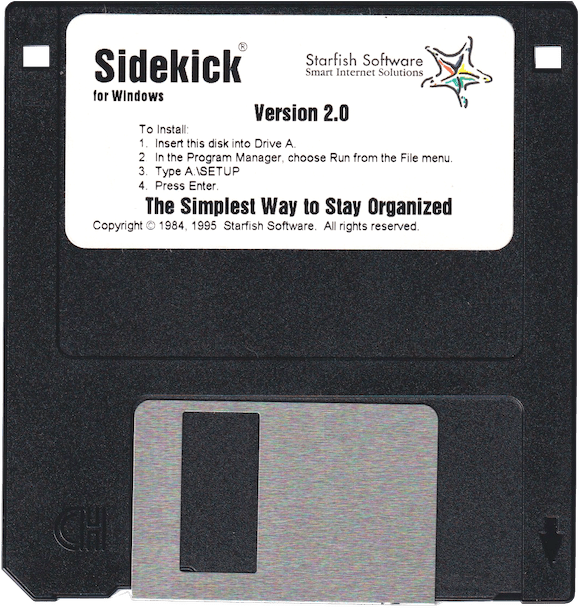
This is a collection of disk images and files of related software that came bundled as part of various Franklin DBS / Bookman devices. Click to download these files.

|

|

|
|
|
|
|
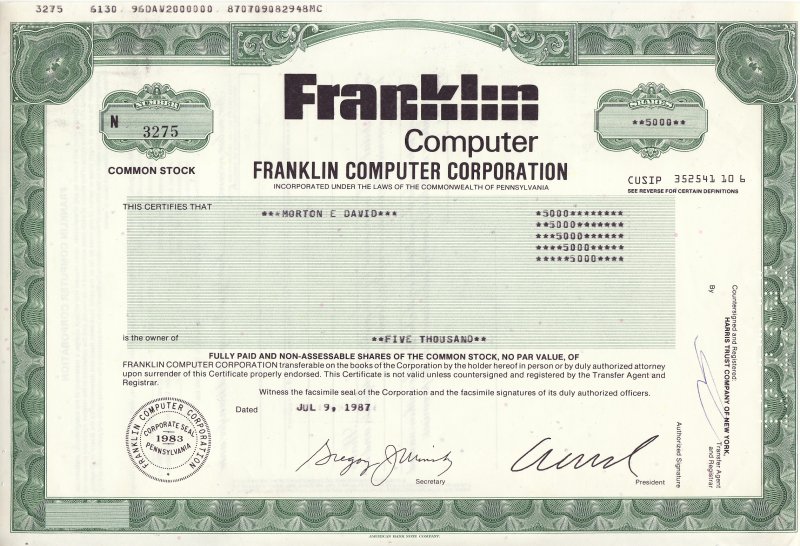
FEP received its own official number in the USB vendor code list after submitting it to the USB consortium: 0x09b2 (hex) or 2482 (dec). The submission was related to use of USB for the eBookman device.
CK2FRK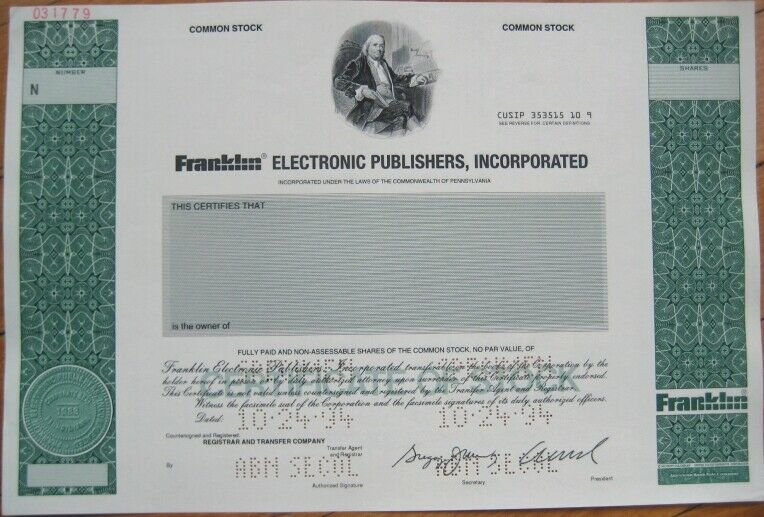
One textbook that has consistently bridged the gap between complex theory and practical application is . For years, students and professionals have sought the "microwave and radar engineering by mkulkarni pdf" for quick reference, portability, and in-depth study. This article explores why this book remains a cornerstone of the curriculum, what you can learn from it, and how to approach its content effectively. Who is M. Kulkarni? The Authority Behind the Text Before diving into the PDF, it is essential to understand the author. M. Kulkarni is widely respected in Indian academic circles for writing concise, exam-oriented yet conceptually clear textbooks. Unlike many international authors who focus heavily on abstract physics, Kulkarni tailors the content to the undergraduate syllabus of universities like AKTU (Lucknow), RGPV (Bhopal), and Pune University.
From understanding how a magnetron generates 2.45 GHz for your kitchen oven to calculating the Doppler shift of an incoming missile, Kulkarni’s work turns abstract Maxwell’s equations into practical engineering knowledge. microwave and radar engineering by mkulkarni pdf
Introduction: The Quiet Revolution of Microwaves In the modern world, we are surrounded by invisible waves. From the moment you heat your breakfast in a microwave oven to the second a pilot lands a plane safely in dense fog using radar, microwave engineering is the silent workhorse of technology. For engineering students, particularly those in electronics and communication, mastering this subject is not just about passing exams—it is about understanding the backbone of wireless communication, satellite links, and defense systems. One textbook that has consistently bridged the gap
Kulkarni dedicates a full appendix to the Smith chart. While reading the PDF, practice drawing a Smith chart on paper. Use the digital copy to check your impedance-matching solutions. Who is M
Did you find this topic interesting? Check out other projects like this one!