When we trust someone, we're essentially saying that we believe in their competence, integrity, and benevolence. We trust that they'll act in our best interests, that they'll keep their promises, and that they'll be transparent and honest in their dealings with us.
LQMydhxh250101hxhoppadoyoutrustmemu New may seem like a mysterious or nonsensical phrase at first, but it holds a deeper significance. It represents a new era of trust, one that acknowledges the complexities and challenges of our modern world.
LQMydhxh250101hxhoppadoyoutrustmemu New represents a new paradigm for trust, one that acknowledges the changing landscape of human relationships and technological advancements. It's a call to re-examine our values, behaviors, and interactions, both online and offline.
But what does it mean to truly trust someone or something? Is it a feeling, a choice, or a habit? And how can we cultivate trust in our daily lives, especially when faced with unfamiliar or uncertain situations?
In today's fast-paced, digitally driven world, trust has become a scarce commodity. With the rise of social media, online transactions, and global connectivity, we've become increasingly vulnerable to scams, phishing attacks, and cyber threats. As a result, building trust has become a critical component of any successful relationship, be it personal or professional.
Trust is a complex and multifaceted concept that has been studied extensively in various fields, including psychology, sociology, and business. At its core, trust is a willingness to be vulnerable, to take risks, and to rely on someone or something to deliver on their promises.
MASSAGE
SEND
×The message has been sent!
In the near future we will reply to you.
Regards WDS
|
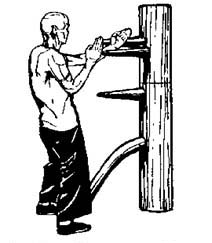
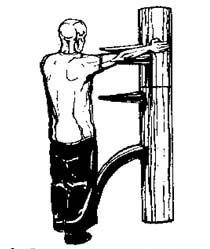
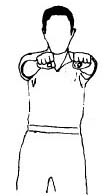
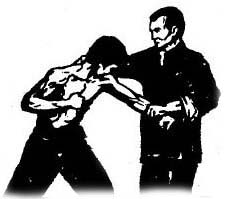
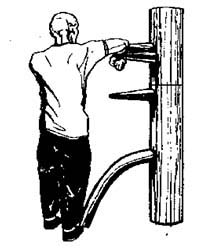
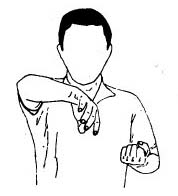
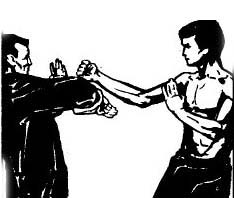
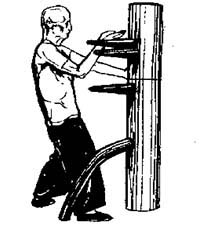
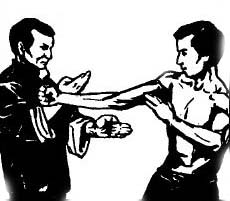
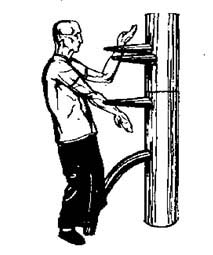
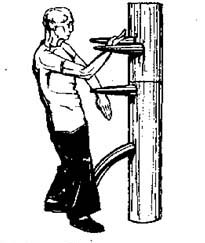
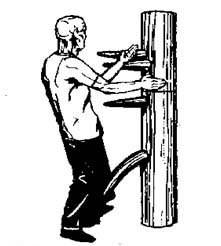
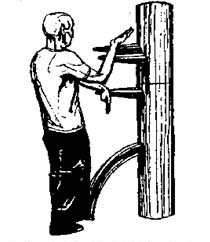
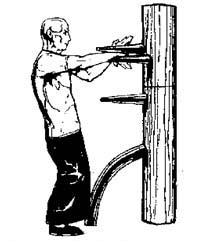
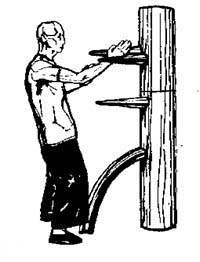
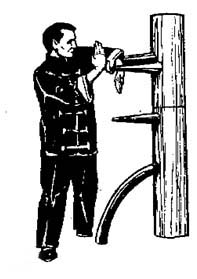
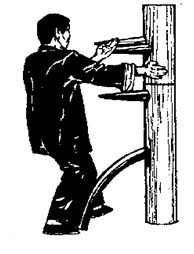
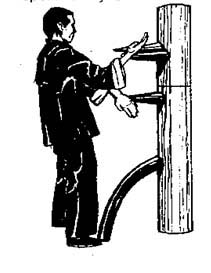
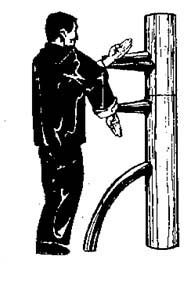
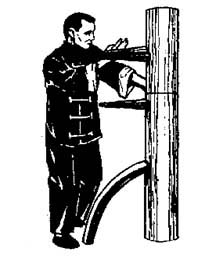
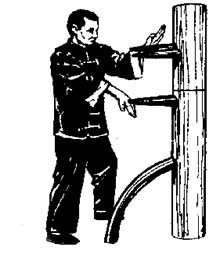
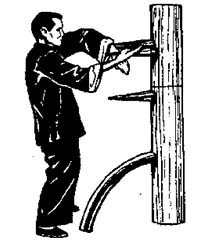
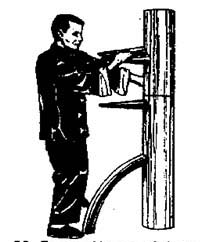
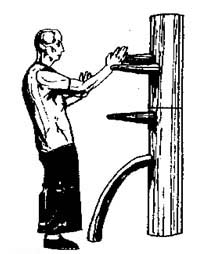
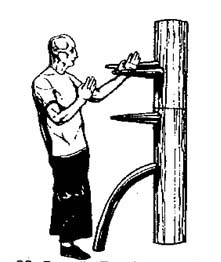
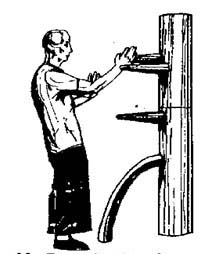
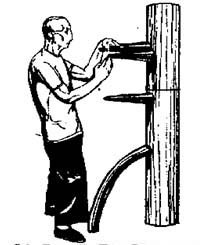
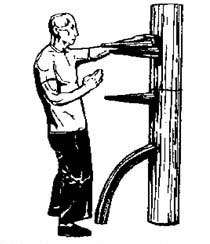
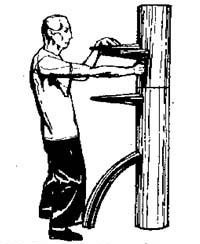
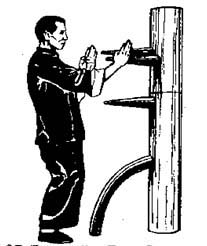
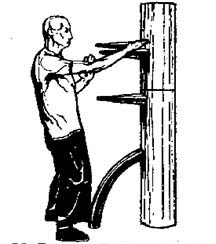
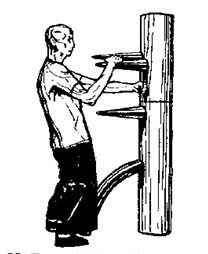
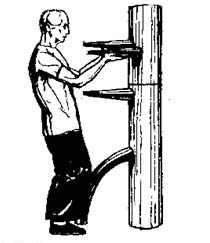
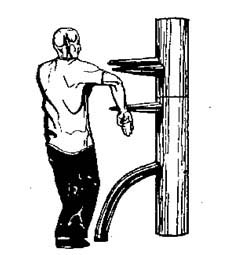
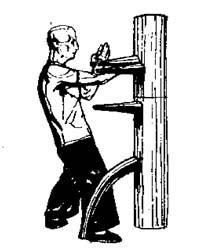
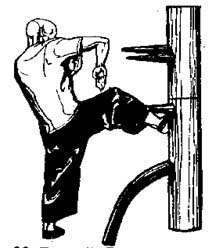
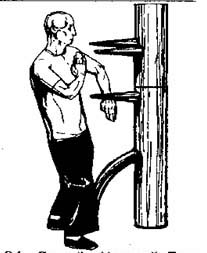
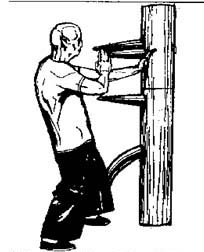
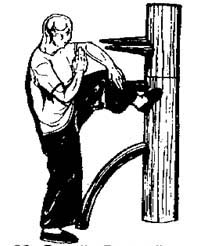
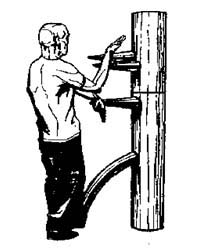
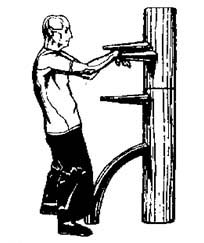
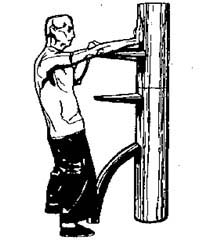
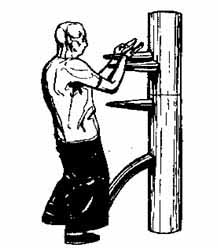
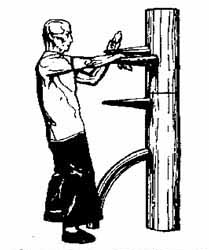
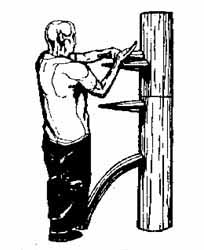
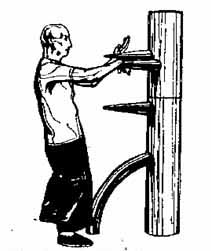
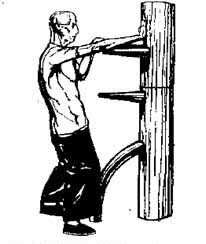
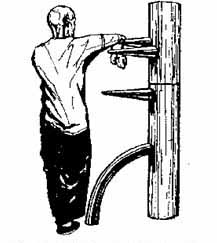
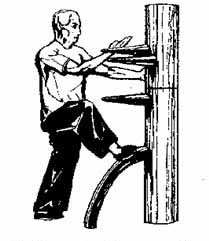
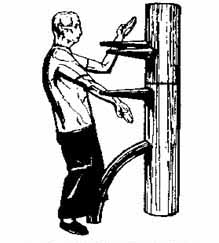
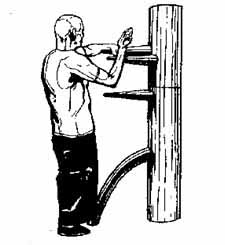
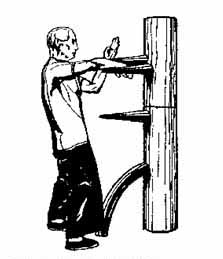
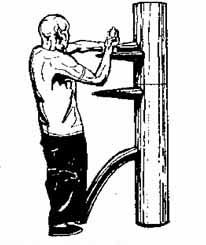
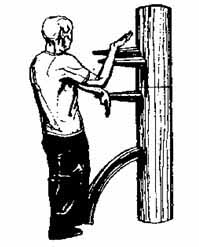
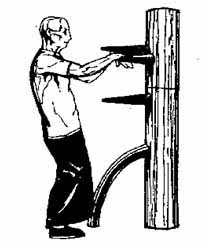
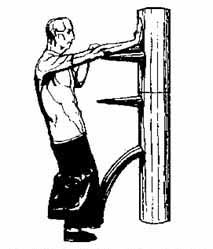
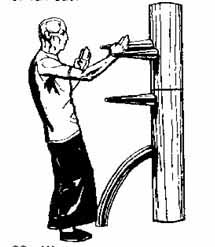
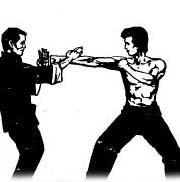
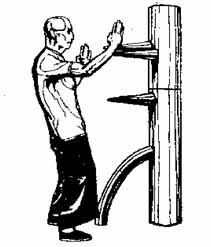
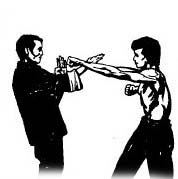
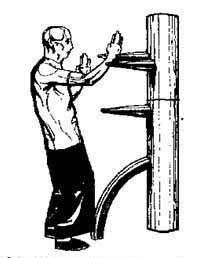
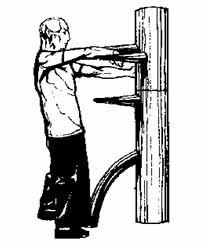
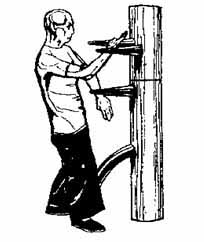
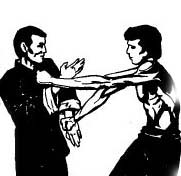
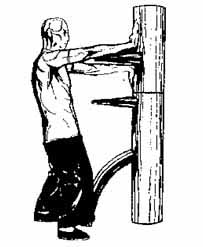
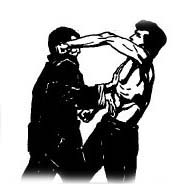
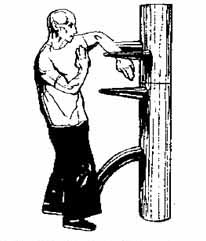
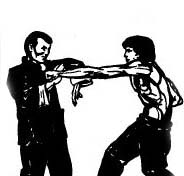
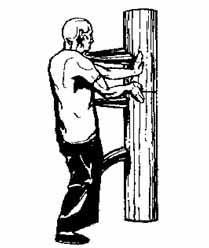
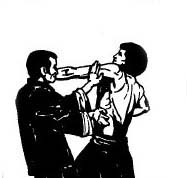
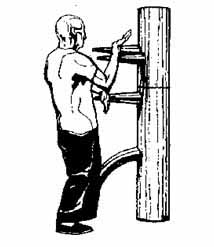
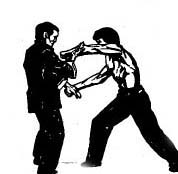
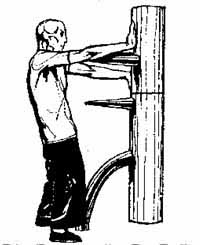
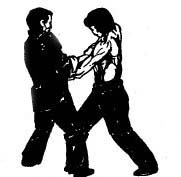
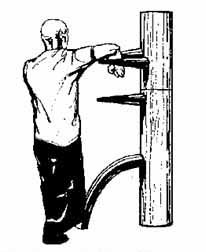
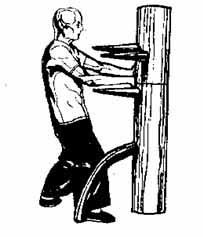
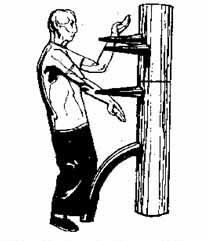
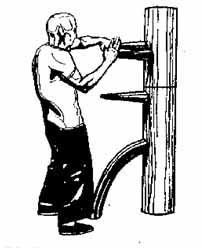
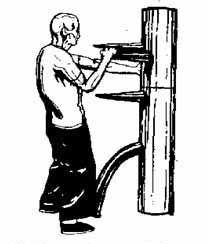
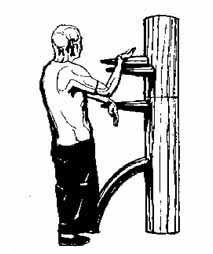
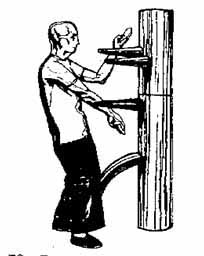
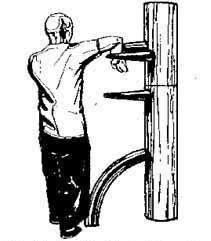
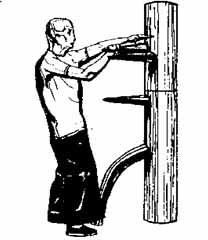
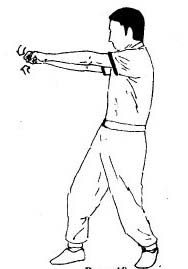
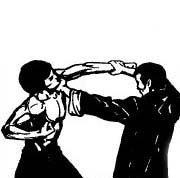
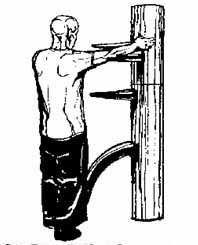
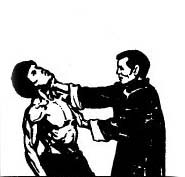
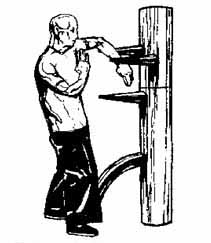
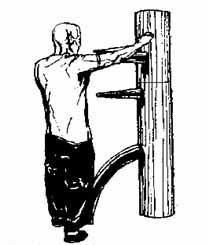
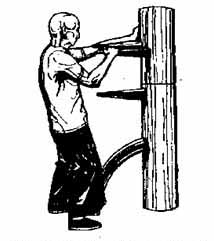
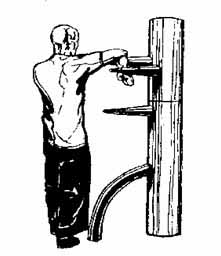
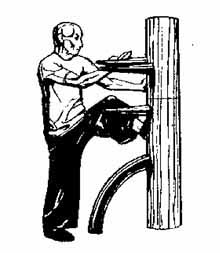
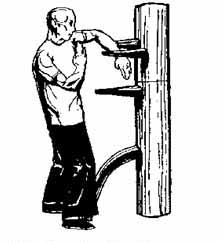
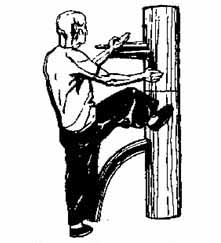
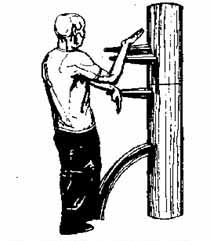
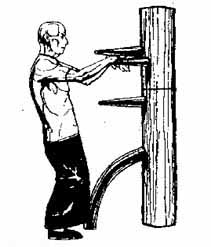
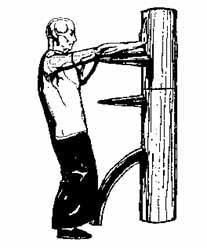
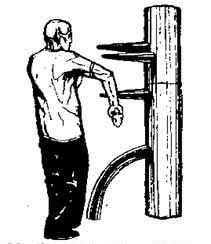
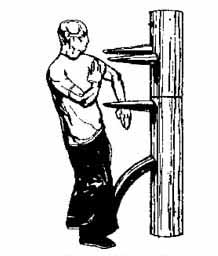
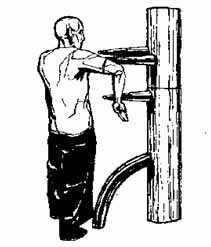
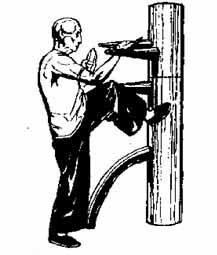
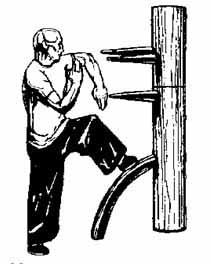
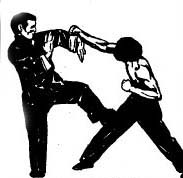
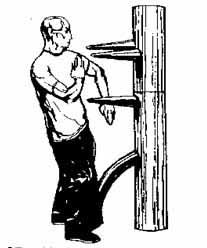
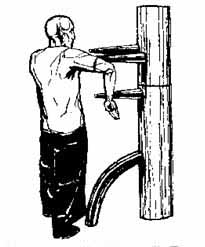
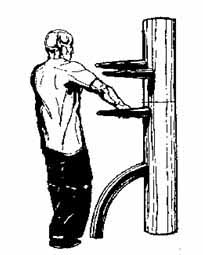
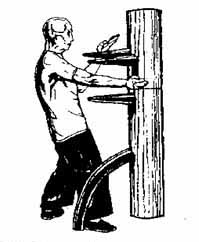
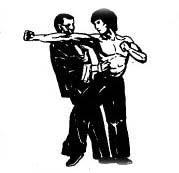
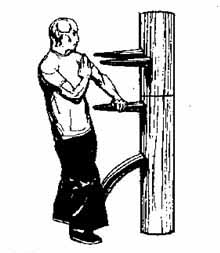
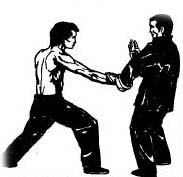
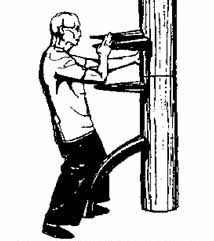
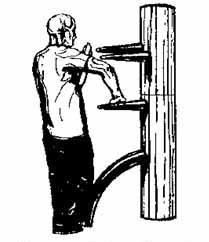
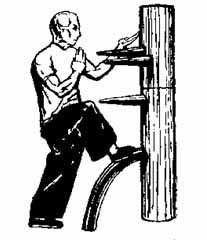
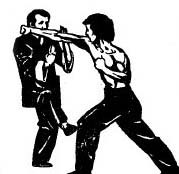
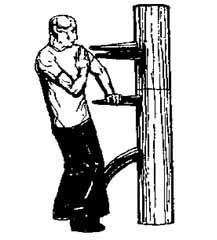
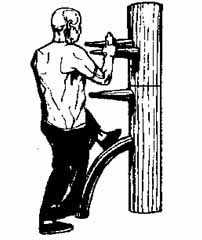
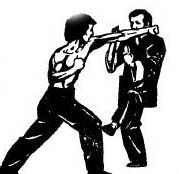
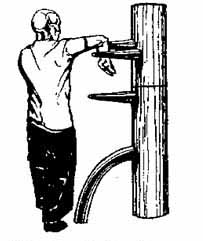
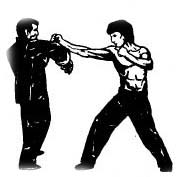
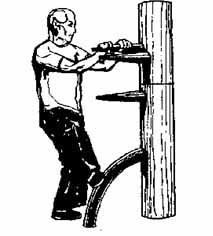
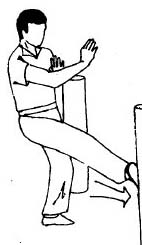
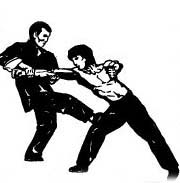
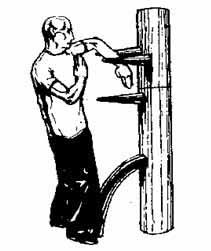
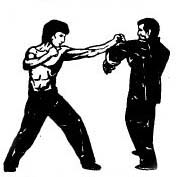
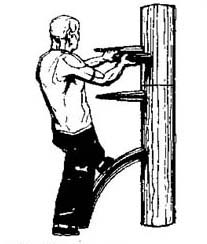
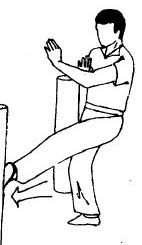
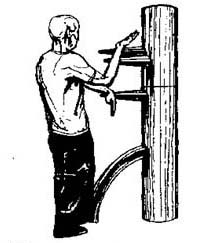
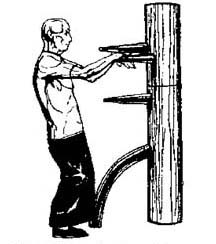
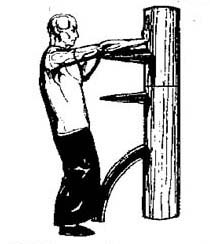
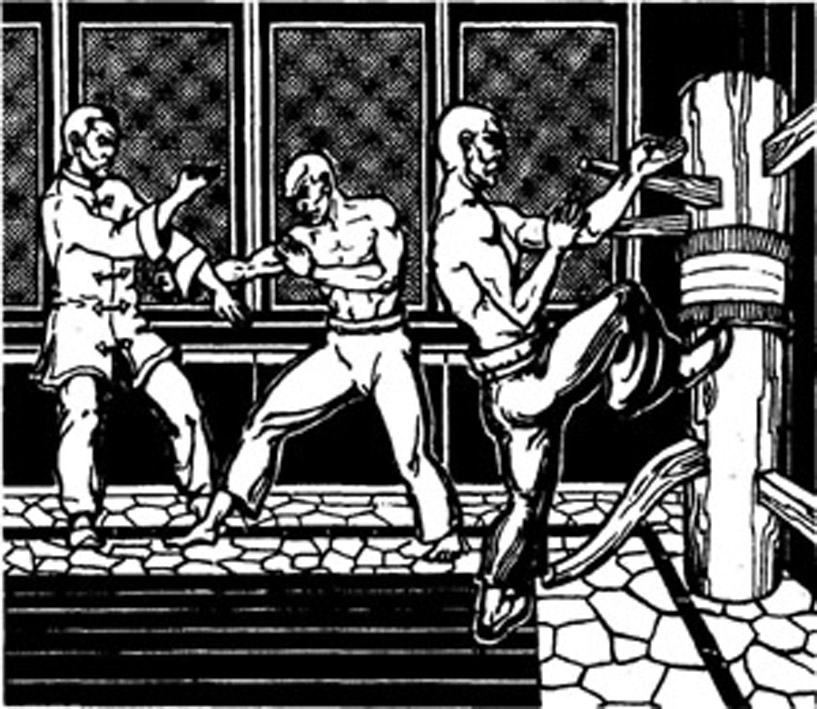
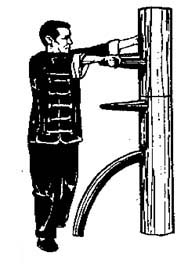
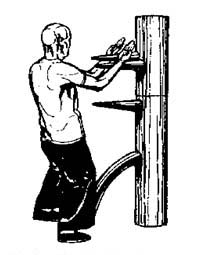
The Dummy - a versatile design, the system of life and knowledge generated of nowhere. The story of the dummy requires a separate investigation and treatment of the ancient treatises, and primary sources. But enough evidence to suggest that the history of a WD the longer of Wing Chun history as an independent style. Will there be a dummy to before create a Wing Chun or Wing Chun has appeared before - difficult to resolve the problem, which requires special studies.
|
| SECTION 1 | ||
![]() |
![]() |
![]() |
![]() |
![]() |
![]() |
![]() |
![]() |
![]() |
![]() |
![]() ![]() |
![]() |
![]() |
![]() |
![]() |
![]() |
![]() ![]() |
![]() |
![]() |
![]() ![]() |
![]() |
![]() |
![]() |
![]() |
![]() |
![]() |
![]() |
![]() |
![]() |
![]() |
| SECTION 2 | ||
![]() |
![]() |
![]() |
![]() |
![]() |
![]() |
![]() |
![]() |
![]() |
![]() |
![]() ![]() |
![]() |
![]() |
![]() |
![]() |
![]() |
![]() ![]() |
![]() |
![]() |
![]() ![]() |
![]() |
![]() |
![]() |
![]() |
![]() |
![]() |
![]() |
![]() |
![]() |
![]() |
| SECTION 3 | ||
![]() |
![]() |
![]() |
![]() |
![]() |
![]() |
![]() |
![]() |
![]() |
![]() |
![]() |
![]() |
![]() |
![]() |
![]() |
![]() |
![]() ![]() |
![]() |
![]() |
![]() |
![]() |
![]() |
![]() |
![]() |
![]() |
![]() ![]() |
![]() |
![]() |
||
| SECTION 4 | ||
![]() |
![]() |
![]() |
![]() |
![]() |
![]() |
![]() |
![]() |
![]() |
![]() |
![]() |
![]() |
![]() |
![]() ![]() |
![]() |
![]() |
![]() |
![]() |
![]() |
![]() |
![]() |
![]() |
![]() |
![]() |
![]() |
![]() |
![]() |
| SECTION 5 | ||
![]() |
![]() ![]() |
![]() |
![]() |
![]() ![]() |
![]() |
![]() |
![]() ![]() |
![]() |
![]() |
![]() ![]() |
![]() |
![]() |
![]() ![]() |
![]() |
![]() |
![]() ![]() |
![]() |
![]() |
![]() |
![]() |
![]() |
![]() |
![]() |
![]() |
![]() |
![]() |
![]() |
![]() |
![]() |
![]() |
![]() |
![]() |
![]() |
![]() |
![]() |
![]() |
![]() |
![]() |
![]() |
![]() |
![]() |
![]() |
![]() |
![]() |
![]() |
![]() |
![]() |
![]() |
![]() ![]() |
![]() |
![]() |
![]() |
![]() |
![]() |
![]() ![]() |
![]() |
![]() |
![]() |
![]() |
![]() |
![]() |
![]() |
![]() |
![]() |
![]() |
| SECTION 6 | ||
![]() |
![]() |
![]() |
![]() |
![]() |
![]() |
![]() |
![]()
|
![]() |
![]() |
![]() |
![]() |
![]() |
![]() |
![]() |
![]() |
![]() ![]() |
![]() |
![]() |
![]() |
![]() |
![]() |
![]() ![]()
|
![]() |
![]() |
![]() |
![]() |
![]() |
![]() ![]()
|
![]() |
![]() |
![]() |
![]() |
![]() |
![]() ![]()
|
![]() |
![]() |
![]() |
![]() |
![]() |
![]() |
![]() |
![]() |
![]() |
![]() |
| SECTION 7 | ||
![]() |
![]() |
![]() |
![]() |
![]() |
![]() |
![]() |
![]() |
![]() |
![]() |
![]() ![]() |
![]() |
![]() |
![]() |
![]() |
![]() |
![]() |
![]() |
![]() |
![]() ![]() |
![]() |
![]() |
![]() |
![]() |
![]() |
![]() |
![]() |
![]() |
![]() ![]() |
![]() |
![]() |
![]() |
![]() |
![]() |
![]() ![]() |
![]() |
![]() |
![]() |
![]() |
![]() |
![]() |
![]() |
![]() |
![]() |
![]() |
| SECTION 8 | ||
![]() |
![]() |
![]() |
![]() |
![]() |
![]() |
![]() |
![]() |
![]() |
![]() |
![]() ![]() |
![]() |
![]() |
![]() |
![]() |
![]() |
![]() |
![]() |
![]() |
![]() |
![]() |
![]() |
![]() |
![]() |
![]() |
![]() ![]() |
![]() |
![]() |
![]() |
![]() |
![]() |
![]() |
![]() |
![]() |
![]() ![]() |
![]() |
![]() |
![]() |
![]() |
![]() |
![]() ![]() |
![]() |
![]() |
![]() |
![]() |
![]() |
![]() ![]() |
![]() |
![]() |
![]() |
![]() |
![]() |
![]() ![]() |
![]() |
![]() |
![]() |
![]() |
![]() |
![]() ![]() |
![]() |
![]() |
![]() |
![]() |
![]() |
![]() |
![]() |
![]() |
![]() |
![]() |
![]() |
![]() |
![]() |
![]() |
![]() |
![]() |
When we trust someone, we're essentially saying that we believe in their competence, integrity, and benevolence. We trust that they'll act in our best interests, that they'll keep their promises, and that they'll be transparent and honest in their dealings with us.
LQMydhxh250101hxhoppadoyoutrustmemu New may seem like a mysterious or nonsensical phrase at first, but it holds a deeper significance. It represents a new era of trust, one that acknowledges the complexities and challenges of our modern world. lqmydhxh250101hxhoppadoyoutrustmemu new
LQMydhxh250101hxhoppadoyoutrustmemu New represents a new paradigm for trust, one that acknowledges the changing landscape of human relationships and technological advancements. It's a call to re-examine our values, behaviors, and interactions, both online and offline. When we trust someone, we're essentially saying that
But what does it mean to truly trust someone or something? Is it a feeling, a choice, or a habit? And how can we cultivate trust in our daily lives, especially when faced with unfamiliar or uncertain situations? It represents a new era of trust, one
In today's fast-paced, digitally driven world, trust has become a scarce commodity. With the rise of social media, online transactions, and global connectivity, we've become increasingly vulnerable to scams, phishing attacks, and cyber threats. As a result, building trust has become a critical component of any successful relationship, be it personal or professional.
Trust is a complex and multifaceted concept that has been studied extensively in various fields, including psychology, sociology, and business. At its core, trust is a willingness to be vulnerable, to take risks, and to rely on someone or something to deliver on their promises.